WP4-16: Difference between revisions
Jump to navigation
Jump to search
| Line 28: | Line 28: | ||
==Improvements== | ==Improvements== | ||
The following figures show GLAD+ position output (blue) vs RTK-postprocesed output (green) in one flight test performed in COMP4DRONES in a case where GLAD+ is configured to use only GPS, and in another case where GLAD+ is confiured to use multiconstellation (both GPS and Galileo). | |||
<gallery> | <gallery widths=500px heights=500px caption="Accuracy improvement with Multi-Constellation (GPS-Galileo) in one flight test performed in COMP4DRONES">> | ||
File:wp4-16-01.gif| | File:wp4-16-01.gif|center|Only GPS | ||
File:wp4-16-02.gif| | File:wp4-16-02.gif|center|Multiconstellation (GPS-GAL) | ||
</gallery> | </gallery> | ||
Revision as of 11:58, 25 March 2022
| ID | WP4-16 |
| Contributor | ACORDE |
| Levels | Platform, Function |
| Require | GLAD+ platform WP3-15_2 |
| Provide | Navigation data (position, attitude, velocity) |
| Input | Raw sensed data from UWB transceiver and low-cost INS |
| Output | Position |
| C4D building block | |
| TRL | 4 |
| Parent Building block | WP3-15_2 |
Detailed Description
Detailed description of Enhanced Navigation System...
Improvements
The following figures show GLAD+ position output (blue) vs RTK-postprocesed output (green) in one flight test performed in COMP4DRONES in a case where GLAD+ is configured to use only GPS, and in another case where GLAD+ is confiured to use multiconstellation (both GPS and Galileo).
- Accuracy improvement with Multi-Constellation (GPS-Galileo) in one flight test performed in COMP4DRONES
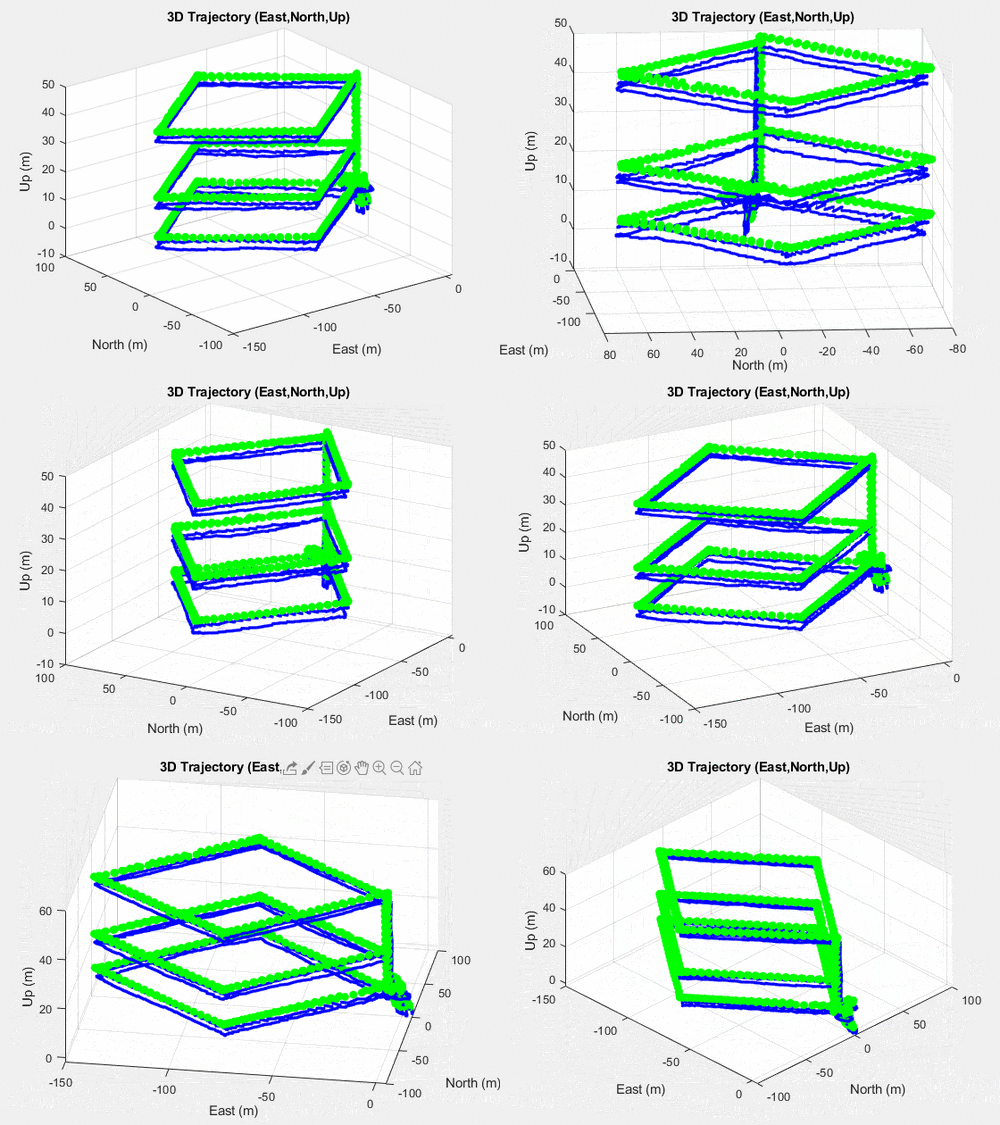
Only GPS
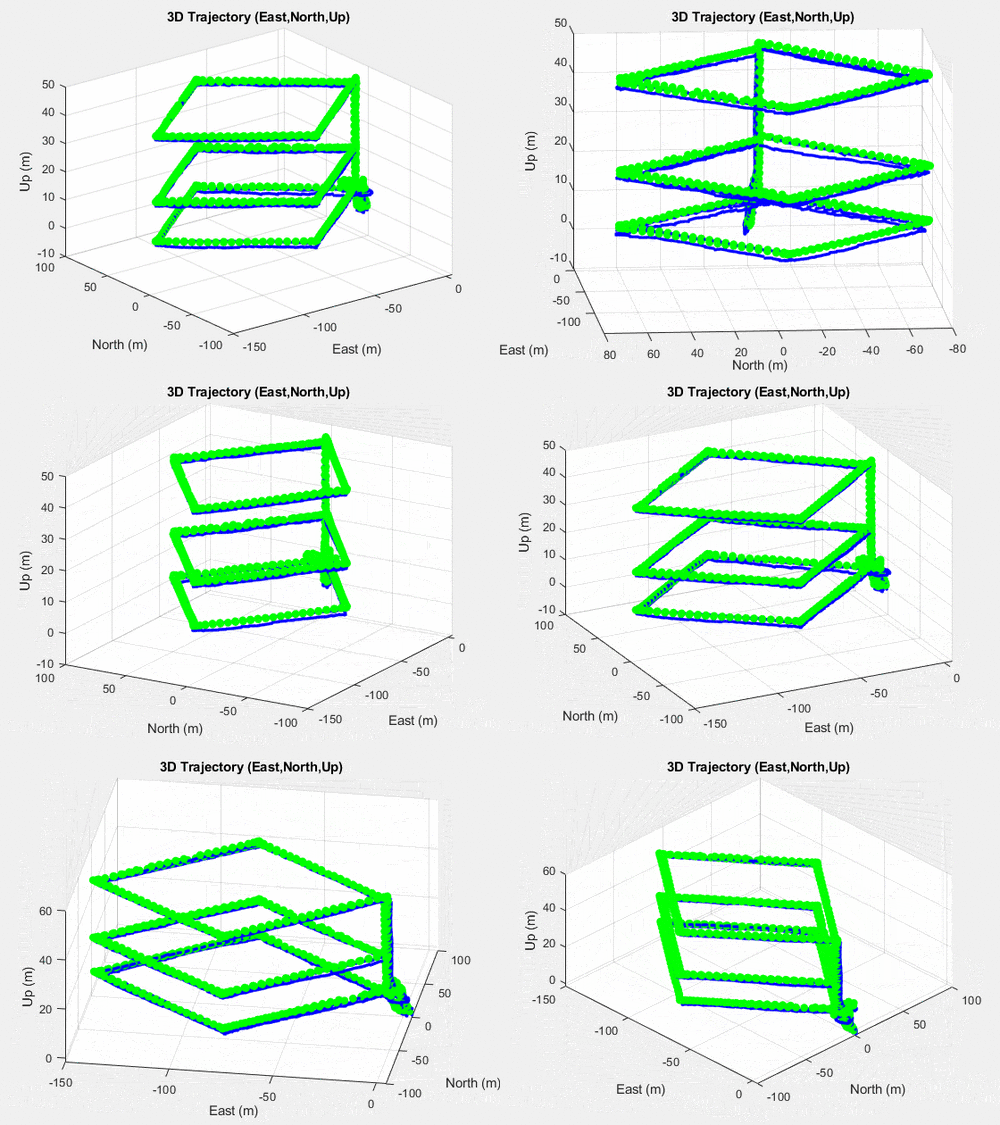
Multiconstellation (GPS-GAL)

